Choreographing the Camera
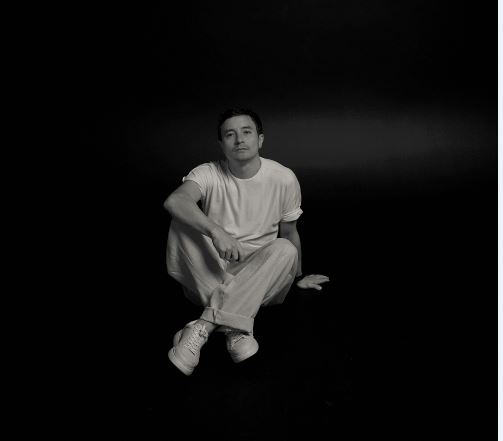 Phil Lee — a Ukrainian Director on the Global Stage: Between Art, Technology, and Instinct
22.01.2026.
Some filmmakers come to cinema through film school. Others arrive with a carefully mapped career plan. Phil’s path was different. A former dancer from Ukraine, he stumbled into filmmaking by accident — needing a way to make live performances look as good on screen as they felt on stage. Once he looked through the viewfinder, it clicked: you can choreograph a camera the way you choreograph a body.
Today, he’s not only an internationally working director and cinematographer, but also the creator of The Translator — a Ukrainian short AI-assisted film that reached the top five finalists in the prestigious 1 Billion AI Film Award competition organized with Google, standing out among thousands of submissions worldwide. The film’s imaginative exploration of survival, nature, and technology reflects his creative voice and has helped establish him as a director whose work moves audiences across borders.
In this interview, Phil talks about obsession over intention, images over words, and why success has less to do with applause than honest reactions. It’s a conversation about seeing, moving, losing, and creating — one frame at a time.
The Origin
How did you find your way into directing and filmmaking?
I didn’t find filmmaking; I stumbled into it while trying to fix a problem. Back in Ukraine, I was a dancer, and I bought a camera simply because I needed a way to make our performances look as good on screen as they felt on stage. One day, I was asked to direct a short dance sequence for a film, and the moment I looked through the viewfinder, everything changed. I realized I could “choreograph” the camera just like a human body. It wasn’t just a hobby anymore — it was a total takeover of my brain. Love at first sight? More like a total obsession from the first frame.

The Meaningful Project
Which project has been the most meaningful so far?
To be honest, I’m still waiting for that “100% proud” moment — I’m my own toughest critic. But the music video for Ivan Dorn’s “Tanec Pingvina” holds a special place for me. We had zero budget for CGI, so I experimented with projection netting to create holographic effects. It was a raw, low-tech experiment, but even years later, I still love rewatching it. It proves you don’t need a million dollars to make something look surreal.
The Influence of Travel
How does the place where you live or travel influence your creativity?
Absolutely everything I see goes into the “mental blender”. Moving to LA 17 years ago was huge — brainstorming daily with obsessed, creative people is a very specific kind of fuel. But traveling through Asia, Europe, and the Middle East really filled my “emotional library”. My eyes are basically a 24/7 hard drive, capturing millions of tiny dramas, textures, and scenes.
The Challenge of Immersion
What challenges have you faced living abroad?
LA was a culture shock — but a fun one. The biggest “challenge” was the industry structure. Budgets are different, and nobody works a second over 12 hours! I realized that if I wanted more time or specific shots, I had to pick up the camera myself. That’s how I accidentally became a DP in addition to being a director. Necessity is the best cinematography teacher.
Visual Signature
How would you describe your visual style in one sentence?
I’m the last person to ask about my own “signature”, but my friends say they can spot my work from a mile away — apparently, my “brand” is natural light, weirdly asymmetrical compositions, and edits that move faster than a padel serve.
The Creative Process
What comes first: emotion, story, or visual imagery?
Always the image. A single photo or one small detail can spark an entire script for me. But I can’t do it alone — I’m a serial brainstormer. I probably annoy my friends to death with “What do you think of this?” but their feedback is the sandpaper that polishes my raw ideas into something real.
Defining Success
What does success mean to you?
Success isn’t a trophy; it’s a conversation. If someone hates my work but can explain exactly why in a structured, smart way, I’m happy. It means they actually sat through it and felt something. I’d take a sharp, honest critic over a polite “good job” any day.
Beating Burnout
How do you deal with creative blocks?
I’m ridiculously competitive. When I’m burnt out, I go play padel tennis. You see the real me on that court. The more I lose, the more it motivates me to come back and crush it — in sports and in my work. Nothing cures a creative block like a little bit of losing and a lot of sweat.
Advice to Your Younger Self
What would you tell your younger self?
I wouldn’t change a single experience or mistake, because they all led me here. But I would definitely tell younger Phil:
“Live it all exactly the same — but for the love of God, start fucking saving your money earlier!”


https://www.instagram.com/philipinolee/